Satellite vs Antenna: Which is Best for Port Macquarie Homes?
Setting up a reliable television system often involves more than simply choosing a screen and plugging it in. Behind the scenes, the method used to receive a signal plays a significant role in how consistently channels are delivered.
For many households, the decision comes down to two main options: traditional antennas or satellite systems. Each has its own advantages, limitations and practical considerations that can influence long-term satisfaction.
When thinking about your
TV reception in Port Macquarie, factors such as signal strength, installation requirements and ongoing maintenance all come into play. Understanding how these systems differ can help guide a more informed choice.
Antenna systems rely on local broadcast signals, while satellite connects from much further away
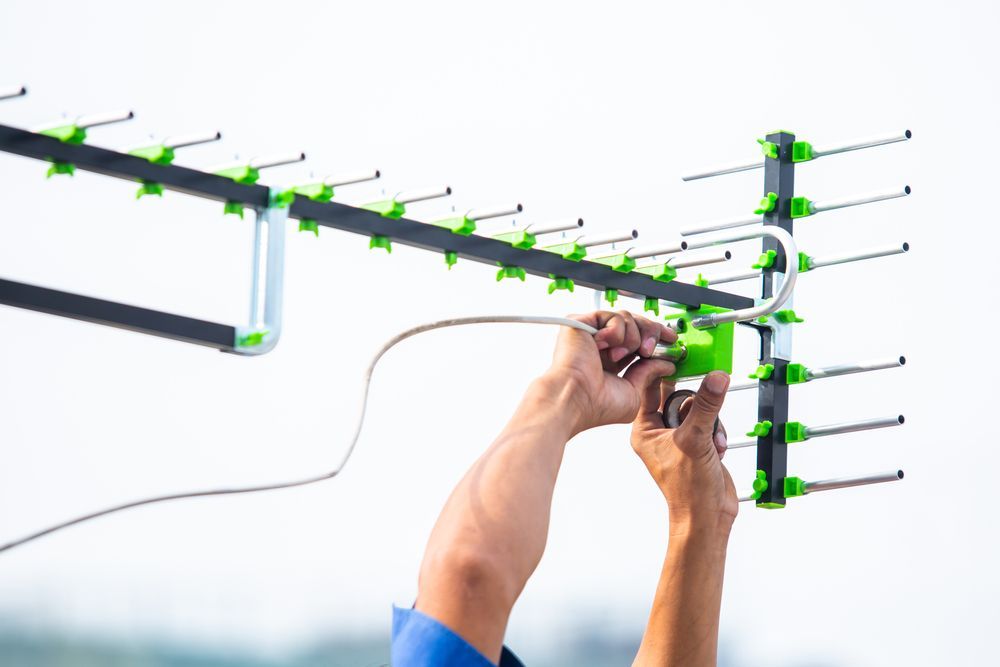
A standard TV antenna receives signals transmitted from local broadcast towers. These signals travel across relatively short distances and are picked up by the antenna mounted on a roof or structure. Satellite systems, on the other hand, receive signals from satellites orbiting the Earth. A dish installed on the property captures these signals and converts them for viewing.
This fundamental difference shapes how each system performs. Antennas depend on proximity to broadcast towers, while satellite systems rely on a clear line of sight to the sky. Both methods offer access to television content, but the way they deliver it can influence reliability and installation requirements.
When signal strength varies, your viewing experience can change quickly
Signal quality is one of the most noticeable differences between antenna and satellite systems. Both can be affected by environmental conditions, though in different ways.
Factors that may influence reception include:
- weather conditions such as heavy rain or storms
- physical obstructions like trees or nearby buildings
- distance from broadcast towers for antenna systems
- alignment and positioning of satellite dishes
Fluctuations in signal strength can lead to interruptions, pixelation or temporary loss of channels. Understanding these variables helps explain why reception may vary from one property to another.
Installation requirements differ depending on the system you choose
Installing an antenna typically involves mounting it on the roof and aligning it towards the nearest broadcast tower. The process can vary depending on roof height, access and the strength of the local signal.
Satellite installation requires positioning a dish with a clear, unobstructed view of the sky. Precise alignment is necessary to receive a consistent signal, which can add complexity to the setup.
Both systems benefit from professional installation, particularly when dealing with mounting, cabling and alignment. The choice between them often depends on the property’s layout and how easily each system can be installed effectively.
Channel availability can influence which system suits your household
The type of content available through each system is another key consideration. Antennas typically provide access to free-to-air television channels broadcast locally. Satellite systems may offer a broader range of channels, depending on the provider and setup. This can include additional content options beyond standard broadcasts.
When comparing options, it can be helpful to consider:
- whether free-to-air channels meet household needs
- interest in additional programming or specialised content
- the simplicity of accessing channels without subscriptions
- compatibility with existing viewing preferences
These factors can influence which system aligns more closely with how television is used within the home.
Ongoing costs and maintenance considerations for each option
Cost is often a deciding factor when choosing between antenna and satellite systems. Antennas generally involve a one-time installation cost, with minimal ongoing expenses once set up. Satellite systems may involve additional costs, particularly if subscription services are included. Maintenance requirements can also differ depending on the equipment used.
Over time, both systems may require servicing to address wear, damage or signal issues. Considering these long-term factors can provide a clearer picture of the overall investment involved.
How property layout and surroundings impact reception quality
Every property presents unique challenges when it comes to signal reception. The surrounding environment can influence how well either system performs.
Important considerations include:
- nearby structures that may block or reflect signals
- tree coverage that interferes with reception
- roof design and available mounting points
- elevation and distance from transmission sources
These elements can affect both antenna and satellite performance in different ways. A system that works well in one location may not deliver the same results elsewhere, highlighting the importance of site-specific assessment.
Repairs, upgrades and troubleshooting are part of long-term system performance
Over time, both antennas and satellite systems may require attention to maintain consistent performance. Exposure to weather, wear and environmental factors can affect components such as cables, mounts and receivers.
Common services include inspecting signal strength, realigning equipment and replacing worn parts. Upgrades may also be considered as technology evolves or viewing requirements change.
Regular maintenance helps keep systems functioning as expected and can address issues before they become more noticeable. Having access to technical support allows homeowners to manage these needs as they arise.
Getting tailored advice helps match the right system to your home
Choosing between antenna and satellite systems often depends on a combination of factors unique to each property. Professional guidance can help identify which option is more suitable based on layout, location and viewing preferences.
Support may include:
- assessing signal conditions on site
- recommending appropriate equipment
- advising on installation methods
- providing ongoing servicing options
For those considering what's best for their TV reception in Port Macquarie, personalised advice can help simplify the decision-making process and align the system with both practical and lifestyle needs.
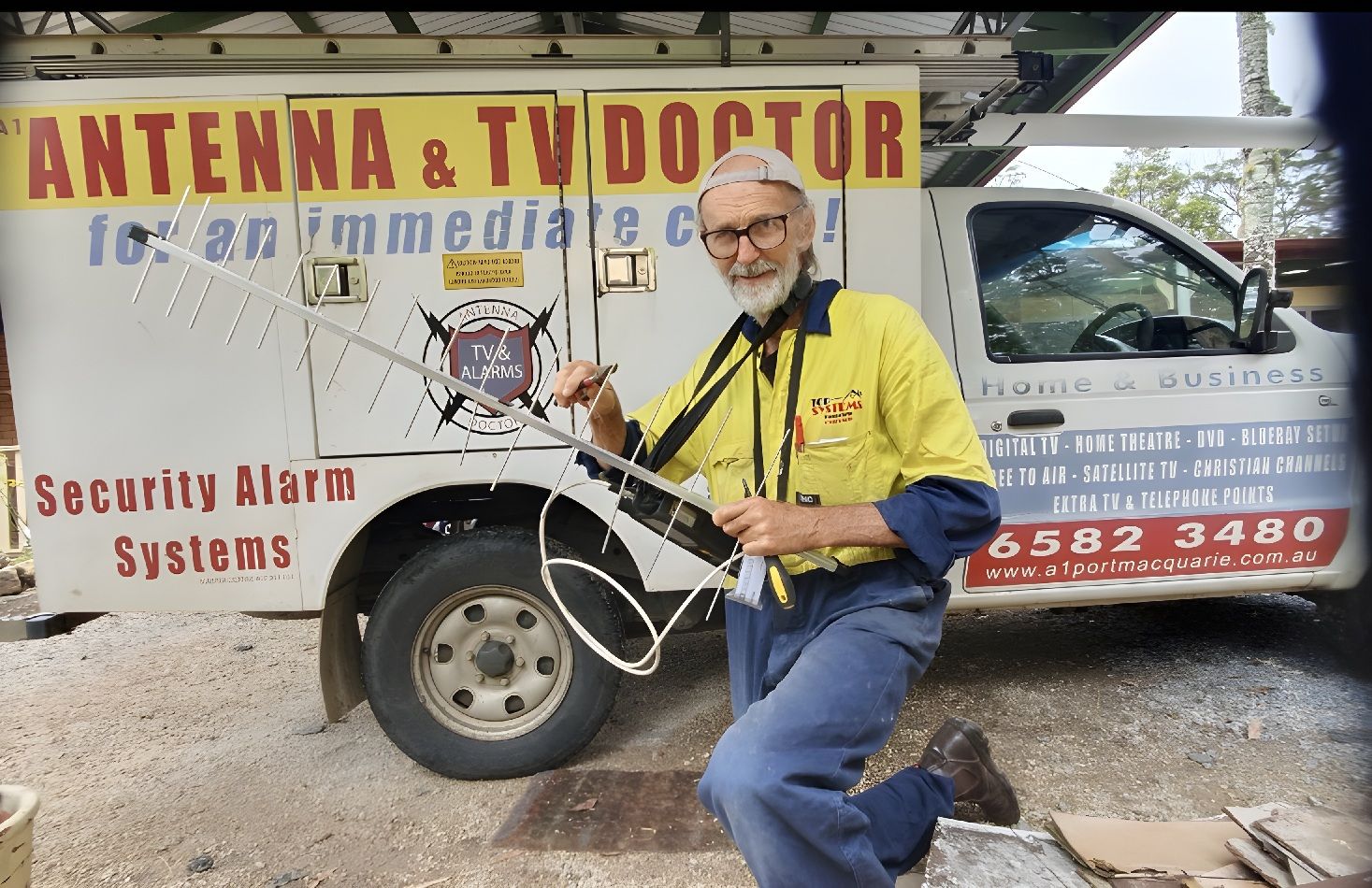
Living in Port Macquarie can present a mix of coastal weather conditions, varying signal strengths and unique property layouts that all influence TV reception. Choosing between satellite and antenna systems often comes down to understanding what works best for your specific home environment. Here at A1 Antenna Doctor, we work with homeowners and property managers across Port Macquarie to assess reception needs and install systems that suit individual properties. If you are planning a new setup or looking to improve your current signal, consider
getting in touch with us to discuss the most practical option for your home.