7 Reasons Your TV Signal Keeps Dropping Out (And Fast Fixes)
When your TV picture freezes or breaks up right as the action gets good, the first reaction is usually frustration. But most TV reception problems can be traced back to a small number of predictable issues: aged equipment, poor connections, interference or changes around the home. Digital TV reception relies on stable signal flow, so even one weak link can trigger pixelation, channel loss or complete signal dropout.
Many people assume these problems are caused by weak broadcasting, but in most cases, the fault lies within the antenna system itself. Understanding how each part works, from the outdoor hardware to the internal cabling, helps explain why minor faults can create major interruptions. Below are the key causes of TV signal dropouts and the practical steps you can take to fix them quickly, including when it’s time to call a qualified antenna technician.
1. Your Antenna is Aged, Damaged or Weather-worn
Antenna systems naturally deteriorate over time. Strong winds, UV exposure and general wear can weaken signal strength long before the antenna completely fails. This often results in intermittent dropouts that become more noticeable at night or during mild weather changes, which can make the issue feel unpredictable.
You may notice:
- Frequent pixelation during normal weather
- Rust, warped elements or a leaning mast
- Missing channels you previously received
- Picture quality changing throughout the day
At this point, antenna repair or full replacement is usually the most reliable solution, especially for homes using older analogue-era antennas.
2. Loose, Damaged or Corroded Coaxial Cables
The cable connecting your antenna to your TV plays a bigger role than many people expect. A single bent, loose or corroded cable can interrupt an otherwise strong signal. Even small gaps inside a connector can cause the signal to weaken every time the cable is touched or the TV is moved slightly.
Common indicators include:
- The picture improves when the cable is moved
- Loose connectors behind the TV or wall plate
- Visible kinks, crushing or discolouration
- Channels dropping out when devices nearby are touched or shifted
Replacing connectors or re-running the cable can provide an immediate TV channel dropout fix and restore overall stability.
3. Water Ingress Affecting Connections or Splitters
Moisture is one of the most common yet hidden causes of degraded digital TV reception. Outdoor joins, roof cavities and splitters are particularly vulnerable. Even a small amount of moisture can corrode metal components, creating resistance that causes the signal to weaken before it reaches your TV.
Warning signs:
- Worsening reception after rain
- Corrosion on external joins
- Sudden channel loss after storms
- Pixelation that temporarily improves in dry weather
Once water enters the system, the damage typically spreads. Sealed connectors and upgraded components prevent repeat issues and improve long-term performance.
4. Faulty Splitters or Amplifiers Dragging Down Your Signal
Homes with multiple TVs often have splitters or amplifiers in the line. When these fail, they can weaken the signal delivered to every TV in the property. Low-grade amplifiers in particular can create more problems than they solve if they boost noise instead of genuine signal.
Look for:
- One TV losing signal while others remain stable
- Dropouts when several TVs are in use
- Certain channels refusing to tune
- Amplifiers producing humming or buzzing
Replacing outdated or low-quality hardware can restore balanced signal distribution and reduce interference between outlets.
5. Incorrect Antenna Type or Poor Alignment
Digital broadcasting depends heavily on precise alignment. Even a few degrees off can cause reception instability, especially during windy conditions or at night when signals shift slightly. Using an antenna designed for the wrong frequency band can also cause inconsistent reception, even if the installation looks neat from the ground.
Symptoms include:
- Channels disappearing & reappearing
- Pixelation during windy periods
- You notice your antenna pointed differently to neighbours
- Some channels clear, others unwatchable
A technician can identify whether the antenna type suits your area and re-align it using calibrated signal-measuring equipment.
6. Interference From 4G, 5G or Household Electronics
Modern homes are filled with devices that can disrupt TV signals. Older antennas or amplifiers that weren’t designed for digital broadcasting are especially prone to picking up mobile frequencies. These signals can mask or distort the broadcast signal arriving at your antenna.
Possible triggers:
- Reception drops when nearby devices are switched on
- Issues begun after new lighting or solar systems were added
- Dropouts occurring randomly at different times of day
- Noticeable worsening when a phone is placed near the TV
Filters and modern components significantly reduce this kind of interference and can provide a more reliable TV pixelation fix.
7. Signal Obstructions & Incorrect TV Settings
TV signals need a clear path to your antenna. Changes around your home—some gradual, some sudden—can interfere with that line of sight. Even a new tree or small roof extension can reflect or absorb signal in ways that reduce reception stability.
These may include:
- Tree growth blocking the signal path
- New roofs, extensions or shade structures
- Nearby construction altering reflections
- Metal materials scattering signal
A professional assessment can determine whether repositioning the antenna or changing its elevation will improve performance.
However, not every reception issue originates outdoors. Sometimes your TV itself is the culprit. Incorrect settings, outdated software or a weakening tuner can all cause instability. This is especially common with older TVs that were never designed for newer broadcasting formats.
Typical signs:
- Only some channels tuning despite a strong antenna system
- Firmware update prompts
- Signal quality readings fluctuating without weather changes
- Channels returning temporarily after retuning
If retuning doesn’t resolve it, there’s likely an underlying reception fault that needs inspection.
Get in Touch
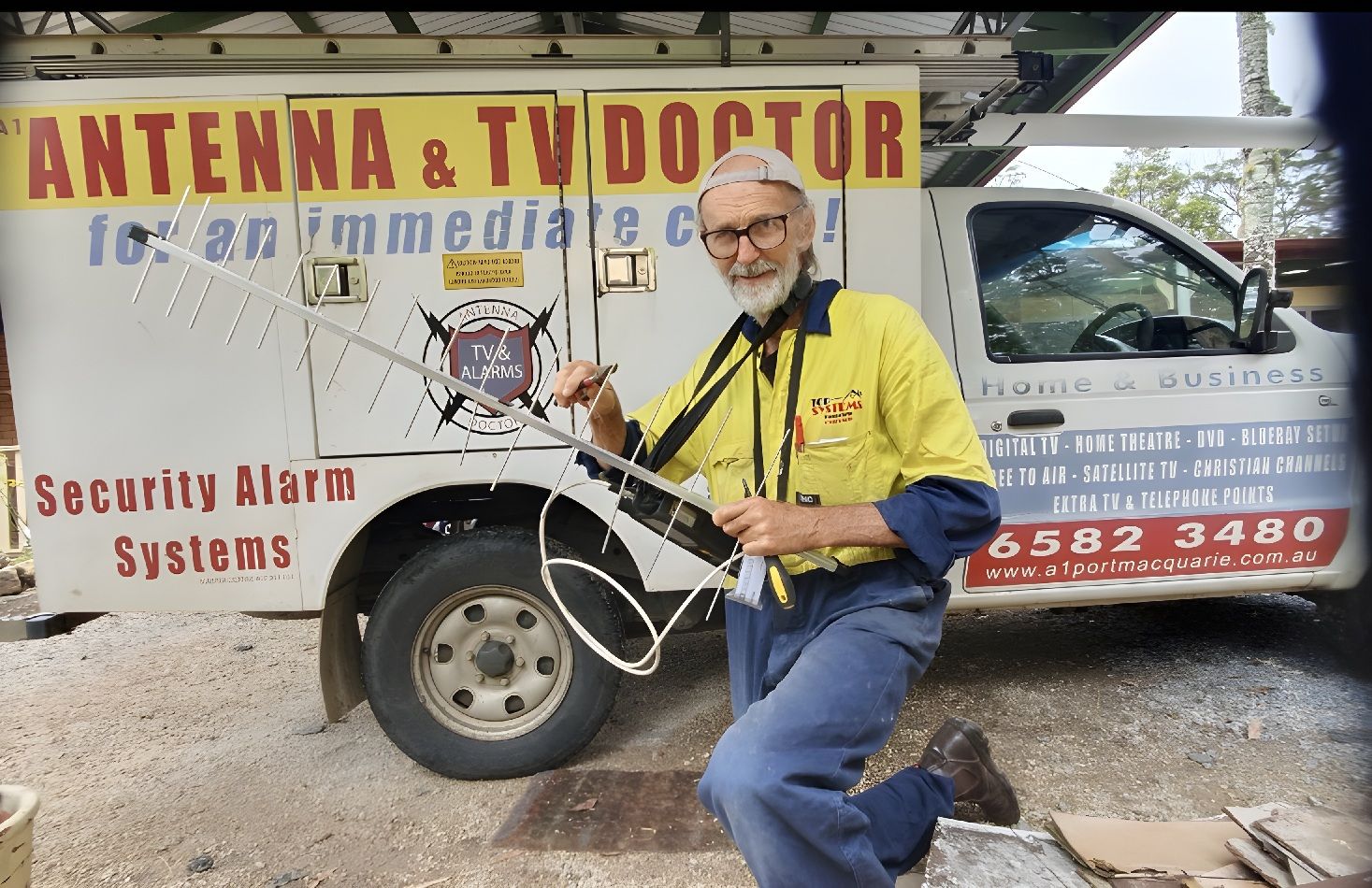
At A1 Antenna Doctor, we know how quickly reception conditions can change in Port Macquarie, especially when weather, terrain and property layout all influence signal strength. If you’re dealing with pixelation, channel loss or unstable reception, we can assess your setup, repair faults and restore clear viewing as soon as possible. Contact us to book a service or get help with TV reception in Port Macquarie today.